Jan 28
Teaching Engineering in Context: Faculty Reflections in Indonesia
Experiential learning is central to GEI’s approach to global education especially in programs that bring students into direct collaboration with partners across cultural, institutional, and national contexts.
In this Q&A, Jennifer Wong, Director of the Fulton Accelerated Community Engagement (FACE) Program and Instructor at Arizona State University’s Ira A. Fulton Schools of Engineering, reflects on an engineering-focused program in Indonesia and what it revealed about global collaboration, design constraints, and learning beyond the classroom.
From your perspective, what made this Indonesia project a meaningful learning experience for students beyond a traditional academic assignment?
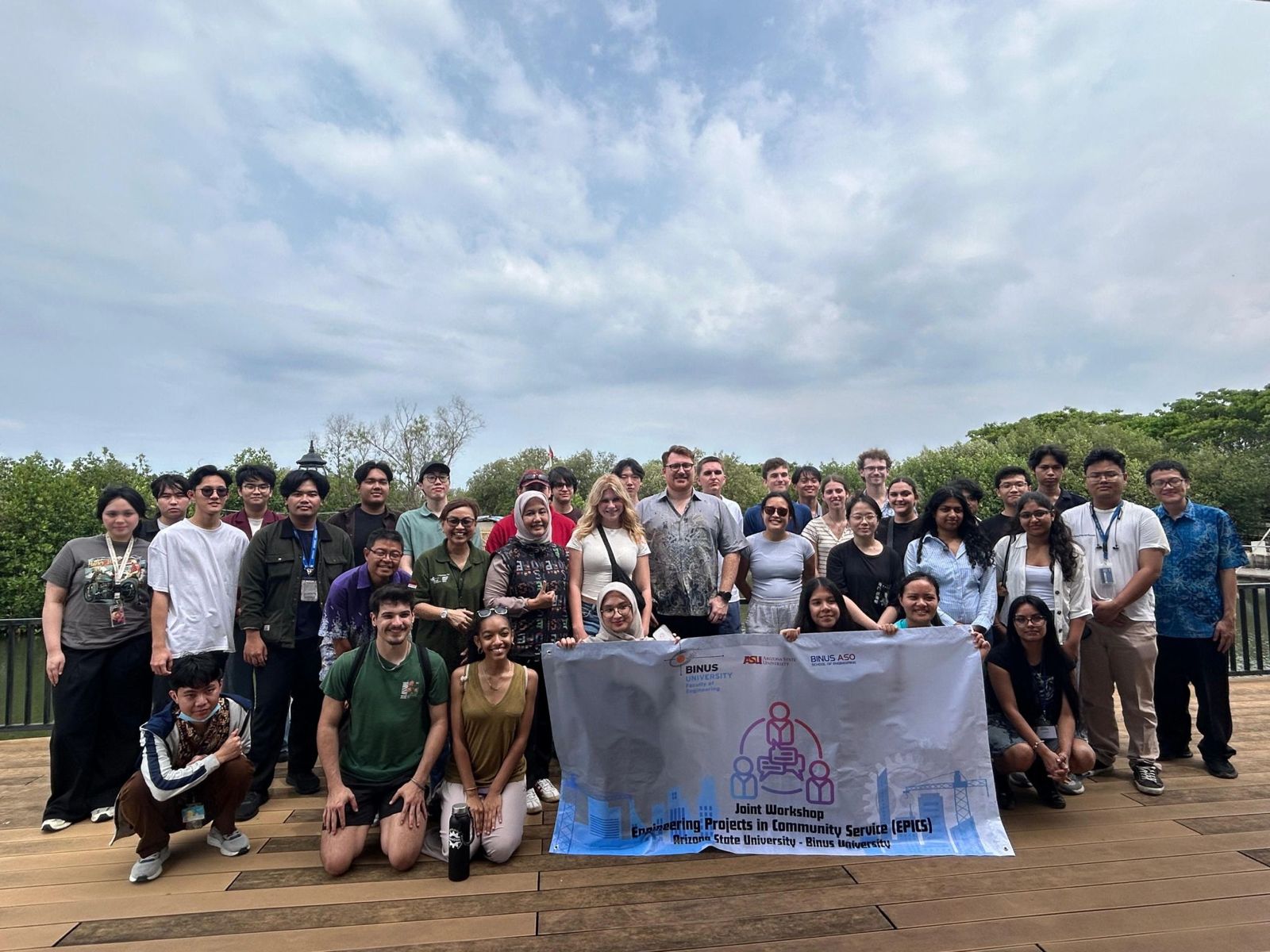
One of the reasons this project was so meaningful is that it taught students about global collaboration. Engineering is very much a team-based discipline, but in most academic settings, students rarely get to choose or adapt to their teams.
In this program, students collaborated across cultures while actively considering PESTLE factors political, economic, social, technological, legal, and environmental influences that shape engineering decisions in real-world contexts. Actively engaging with these dimensions is essential to developing a global engineering mindset, and it’s difficult to replicate that kind of learning in a purely classroom-based environment.
What changes did you observe in students’ mindsets or approaches during the program?
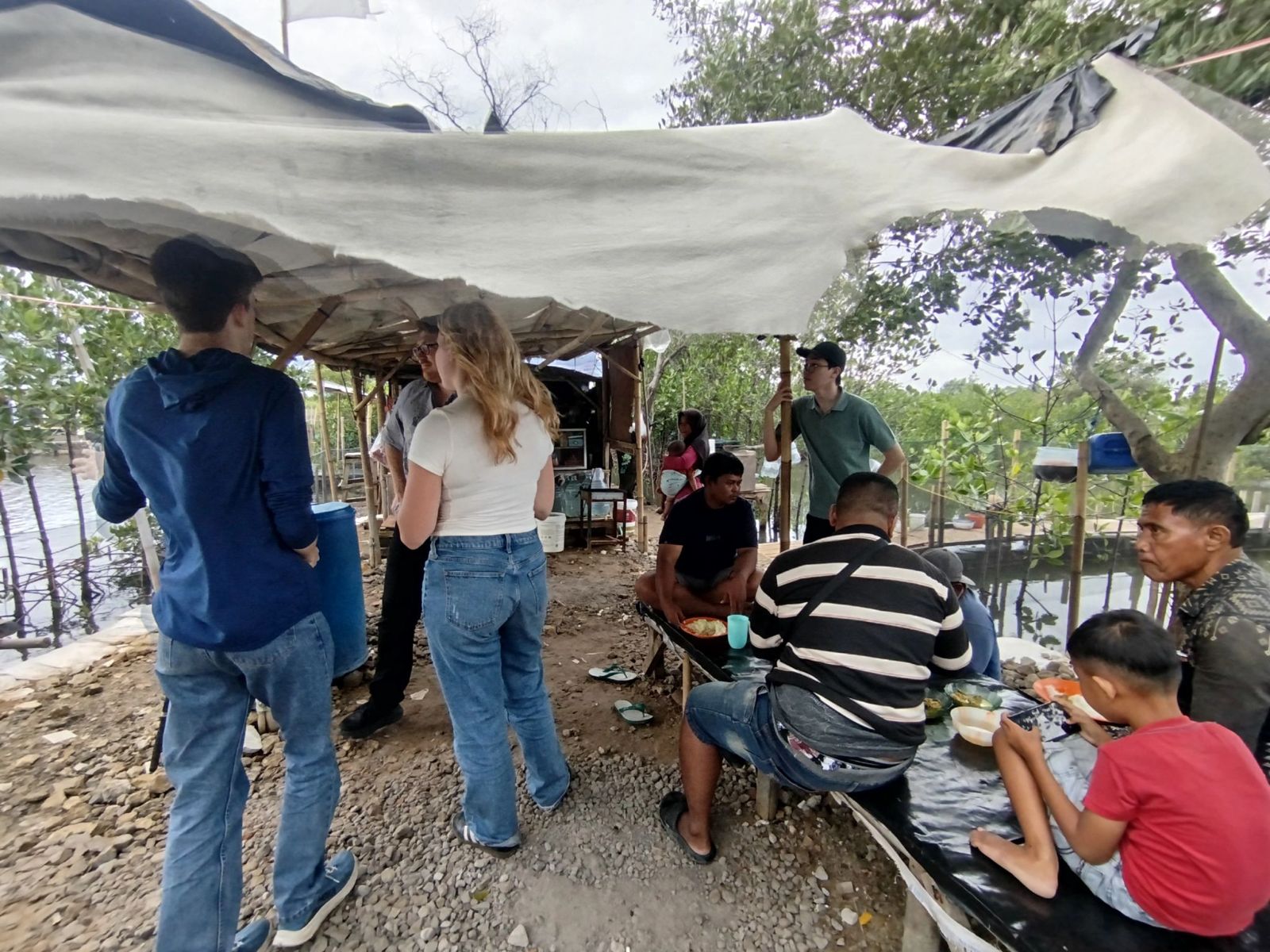
Students began to see engineering from a very different perspective. When you are designing for a global context, identifying key constraints isn’t always straightforward. Many of those constraints only become visible through lived experience by being present in the environment and engaging directly with context.
That shift from abstract problem-solving to context-aware design was one of the most notable changes I observed.
What is one key lesson students learned that is difficult to teach effectively in a traditional classroom?
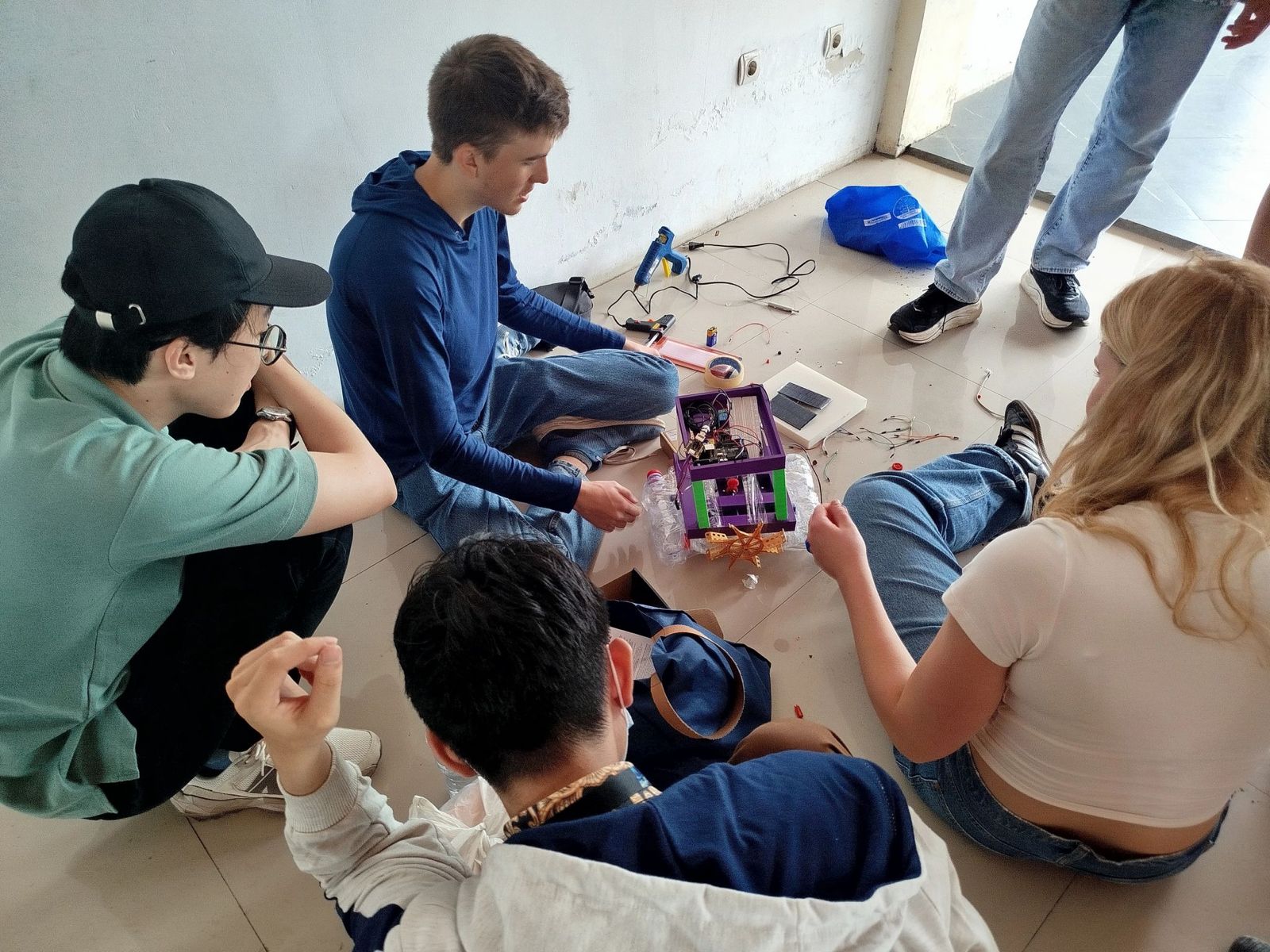
There are limits to what lectures alone can convey. At some point, students need to apply concepts themselves in real situations. Experiential learning creates opportunities for students to test assumptions, navigate ambiguity, and respond to challenges as they arise.
Those moments when students have to adapt, reflect, and make decisions in context—are difficult to simulate in a traditional classroom setting.
How did cross-cultural collaboration with Indonesian partners or universities strengthen the engineering process?
Working in an international setting reinforced the importance of human-centered design. Designing alongside partners from different cultural and institutional backgrounds challenged students to listen more carefully, ask better questions, and reconsider assumptions embedded in their initial ideas.
As a result, students developed a more thoughtful and inclusive approach to engineering design one that accounted for human, cultural, and contextual factors alongside technical considerations.
How would you describe the longer-term value of this experience for students as they move forward in their careers?
There is more to learning than textbooks and tests. Experiences like this help students connect theory to practice and better understand how their skills translate beyond the classroom.
Many students leave with perspectives and competencies such as collaboration, adaptability, and contextual awareness that are highly relevant to professional environments, particularly in an increasingly globalized workforce.
Interviewee.
Jennifer Wong (she/her)
Jennifer Wong (she/her)
Director, Fulton Accelerated Community Engagement (FACE) Program
Instructor, Academic and Student Affairs & John Shufeldt School of Medicine and Medical Engineering
Ira A. Fulton Schools of Engineering
Arizona State University
About the author:
Dang Huynh, BA
Operations Manager, Southeast Asia
Dang H. Huynh is an experienced Program and Partnership Manager specializing in international education, cross-cultural engagement, and global learning initiatives. Over the past three years, Dang has played a key role in supporting and expanding the EPICS (Engineering Projects in Community Service) programs in the region. Starting from Vietnam and more recently in Indonesia, he has helped facilitate partnerships between local universities, communities, and international institutions, enabling students to work on real-world, community-driven projects that create tangible social impact.
Dang Huynh, BA
Operations Manager, Southeast Asia
Dang H. Huynh is an experienced Program and Partnership Manager specializing in international education, cross-cultural engagement, and global learning initiatives. Over the past three years, Dang has played a key role in supporting and expanding the EPICS (Engineering Projects in Community Service) programs in the region. Starting from Vietnam and more recently in Indonesia, he has helped facilitate partnerships between local universities, communities, and international institutions, enabling students to work on real-world, community-driven projects that create tangible social impact.
Author:
Dang Huynh, BA
Operations Manager, Southeast Asia
Dang Huynh, BA
Operations Manager, Southeast Asia
Recommended other articles
Explore our Engineering Programs
Solutions for universities
About Us
GEI empowers global change leaders through transformative, experiential programs in Africa and Southeast Asia. Since 2006, GEI has offered study abroad programs and career-aligned internships in six core destinations, and faculty-led programs across Africa and Southeast Asia.

COPYRIGHT © 2026 GLOBAL ENGAGEMENT INSTITUTE. ALL RIGHTS RESERVED.
Before you go...
Thank you!
Write your awesome label here.
Signed up yet?
Thank you!
Write your awesome label here.