Aug 14
/
Dang H. Huynh
ASU is back in Kenya with EPICS at Jirani Project, Supported by GEI – Day 01
Blog Strategy
In this article, you're going to learn about how community partnership, innovative technology, and thoughtful program coordination came together to create a meaningful experiential learning opportunity in Kenya.
Key take-aways:
Key take-aways:
- Community comes first: Effective global engagement begins with listening to local needs and building solutions collaboratively.
- Innovation can expand access: The offline digital library provides educational resources in English and Kiswahili for communities with limited internet connectivity.
- Strong logistics enable deeper learning: GEI’s coordination of transportation, accommodation, scheduling, and local communication allowed students and faculty to focus on meaningful community engagement.
When
students travel abroad for experiential learning, the most meaningful moments
often happen far beyond the classroom. They emerge through human connection,
collaboration, and shared purpose. This spirit was deeply reflected in Arizona
State University’s engagement with the Jirani Project in Kenya — a grassroots
nonprofit dedicated to supporting vulnerable children through education,
community care, and long-term empowerment.

As part of
this impactful initiative, the Global Engagement Institute (GEI) proudly
supported ASU through logistical coordination and on-the-ground program
facilitation in Kenya, helping ensure that the experience was both smooth and
meaningful for everyone involved.
The Jirani
Project, whose name comes from the Kiswahili word for “neighbor,” has spent
more than two decades supporting children in difficult circumstances across
rural western Kenya. Founded with strong ties to Arizona State University, the
organization provides educational support, foster family assistance,
counseling, and community-based care for children who are orphaned, abandoned,
or vulnerable.
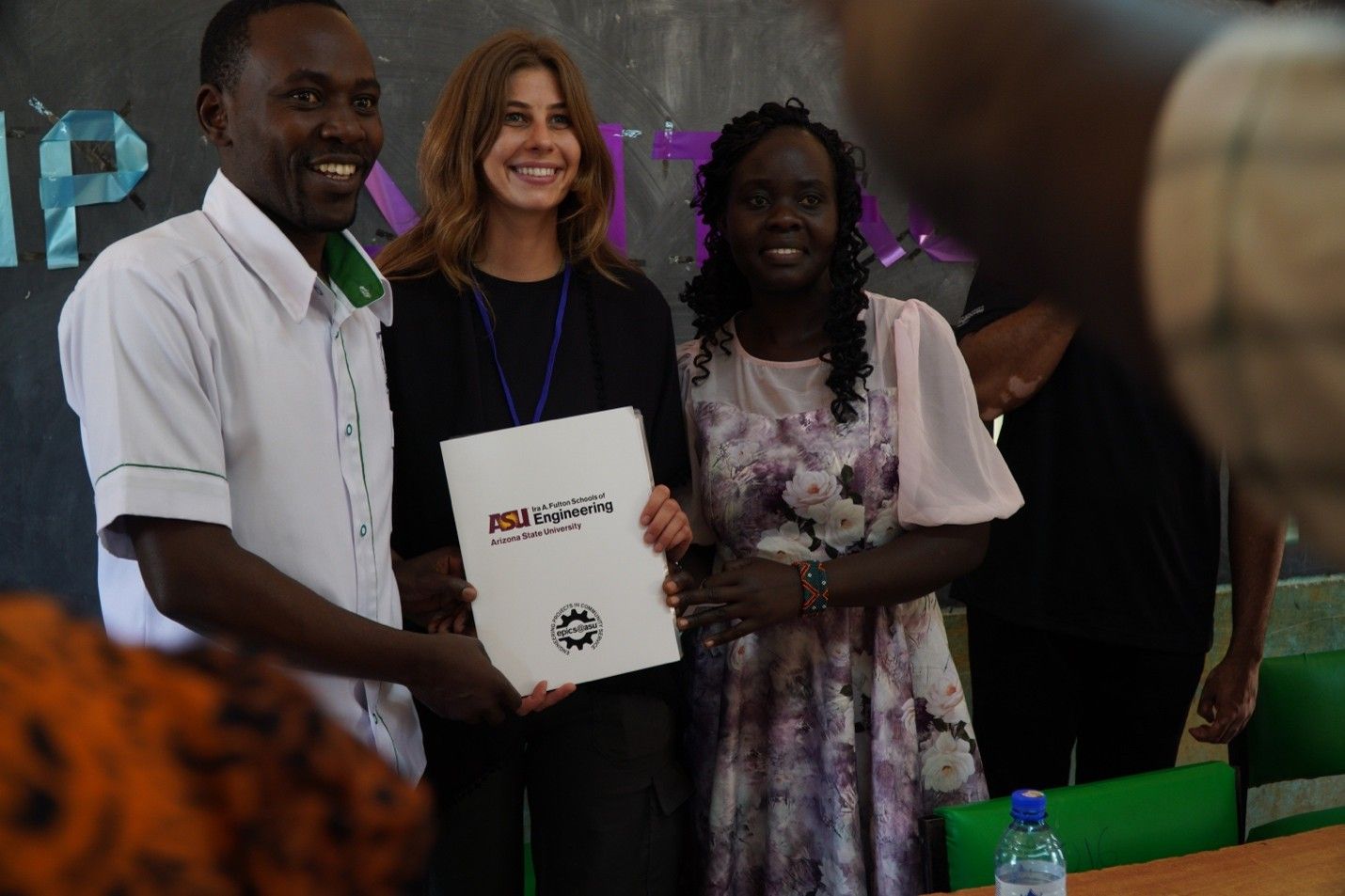
One of the
project’s newest milestones has been a collaboration with ASU’s EPICS program
(Engineering Projects in Community Service), where students worked over several
years to design and implement an offline digital library for children in
Lumakanda, Kenya. The system provides access to hundreds of books and
educational resources in both English and Kiswahili, even in areas with limited
internet connectivity.
From a
program coordination perspective, GEI’s role focused on helping bridge the gap
between planning and implementation on the ground. International educational
programs require much more than flights and hotel bookings — they demand
adaptability, cultural coordination, relationship management, and constant
problem-solving behind the scenes.
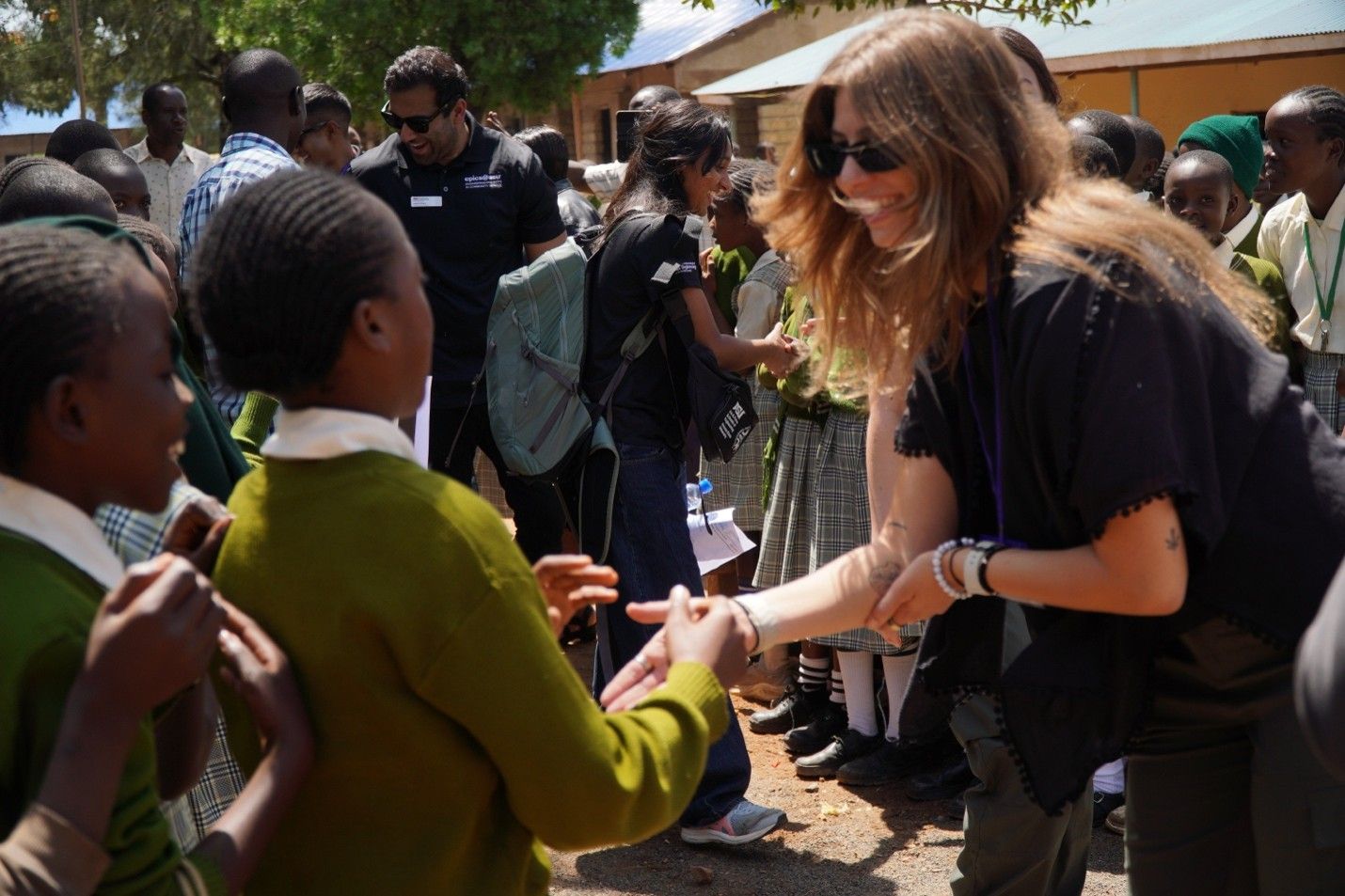
GEI supported ASU by coordinating local transportation, accommodation logistics, scheduling support, communication with local partners, and facilitating smoother day-to-day operations throughout the program period. This allowed the ASU students and faculty to focus more fully on their engagement with the community and the implementation of the digital library initiative.
What stood out most throughout the experience was the relational nature of the project. The collaboration was not simply about delivering technology; it was about building trust, listening to community needs, and creating solutions that were genuinely useful within the local context.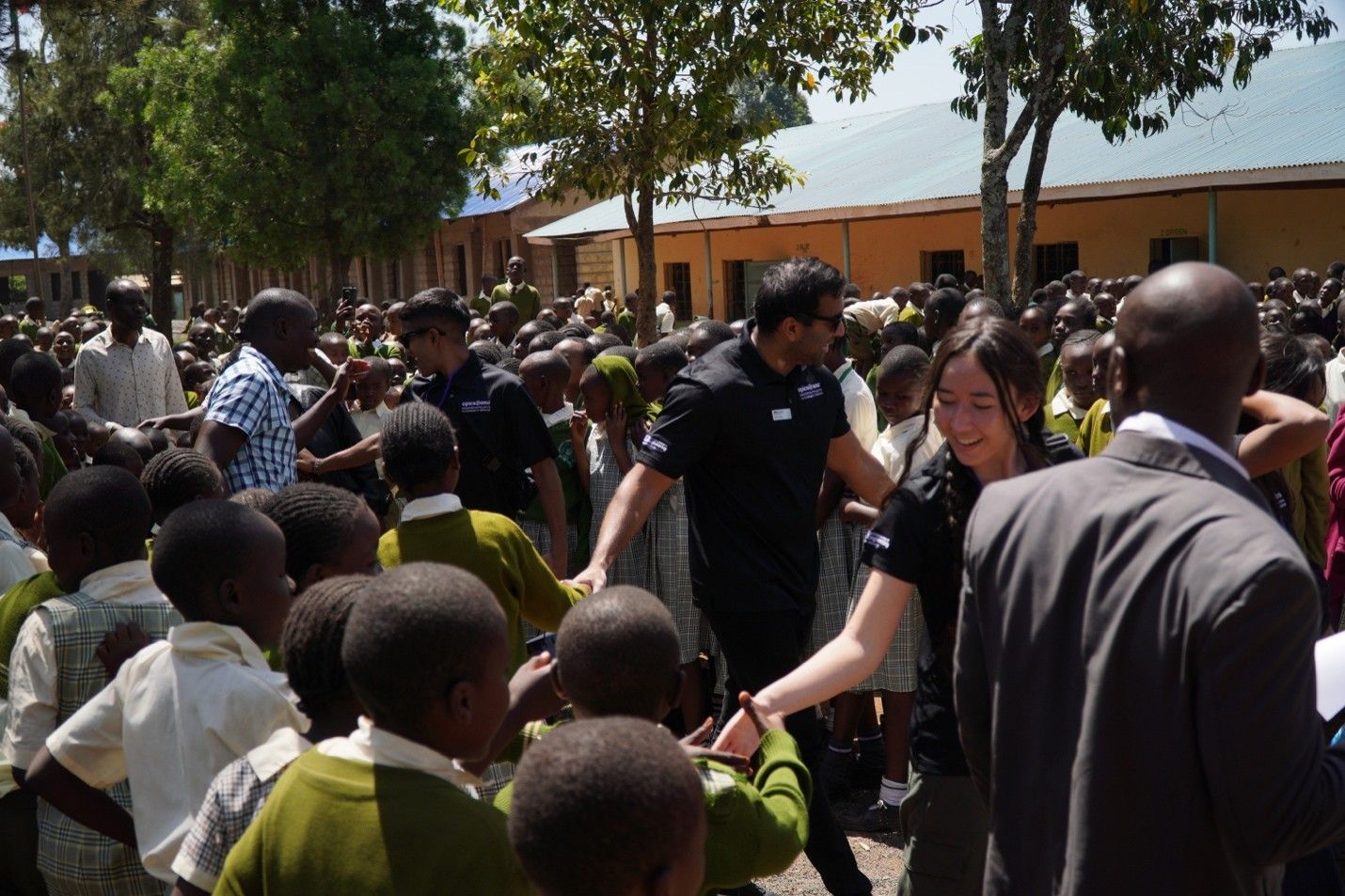
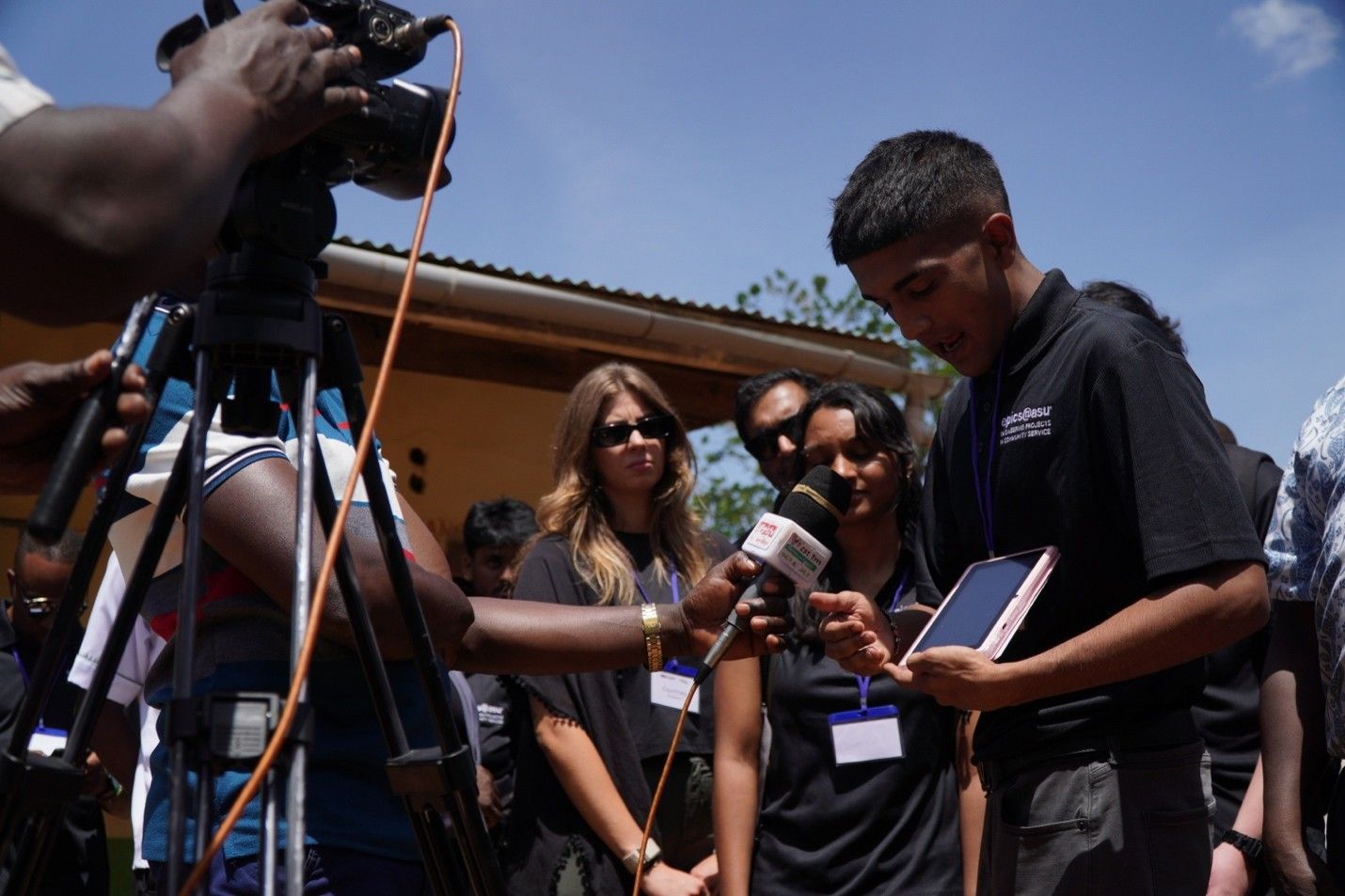
The launch
of the offline digital library in Lumakanda brought together local educators,
community members, ASU students, and Jirani staff in a shared celebration of
education and opportunity. According to ASU News, the initiative included more
than 300 books and videos accessible through donated tablets and locally
connected devices, designed specifically for communities with limited internet
access.
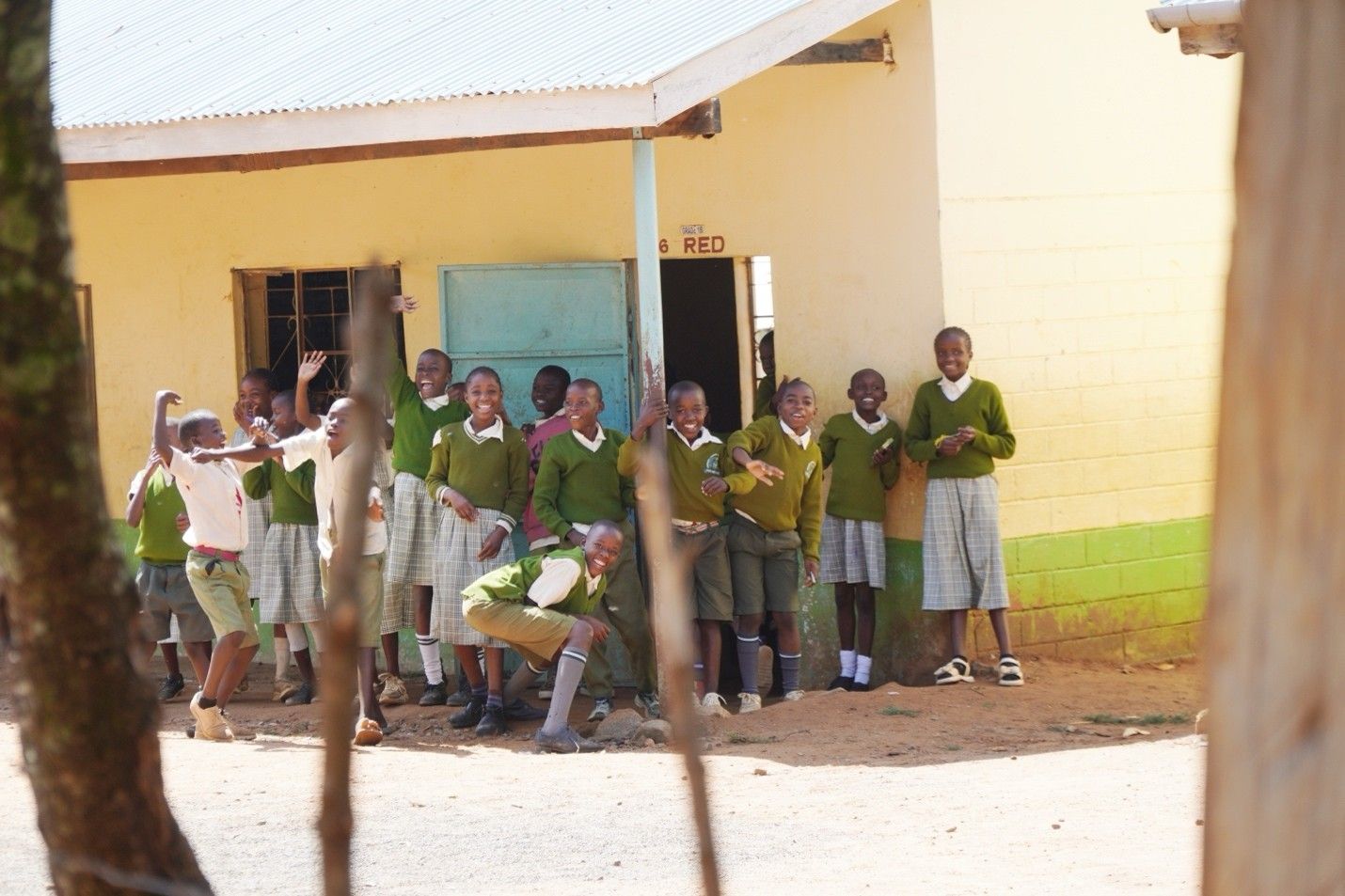
From the coordination side, experiences like these highlight the importance of thoughtful logistical support in global engagement programs. When logistics are handled effectively, students and faculty are able to immerse themselves more deeply in the human side of international collaboration — the conversations, relationships, and moments that often become the most transformative part of the experience.
From the coordination side, experiences like these highlight the importance of thoughtful logistical support in global engagement programs. When logistics are handled effectively, students and faculty are able to immerse themselves more deeply in the human side of international collaboration — the conversations, relationships, and moments that often become the most transformative part of the experience.
For GEI,
supporting programs like this reflects a broader commitment to facilitating
meaningful global partnerships that combine education, innovation, and
community impact. Working alongside ASU and organizations like the Jirani
Project demonstrates how universities, nonprofits, and local communities can
come together to create experiences that are mutually beneficial and deeply
human.
In the end, the success of programs like these is not measured only by deliverables or schedules completed, but by the relationships formed and the sense of shared purpose created across cultures and continents.
To be continued..........
In the end, the success of programs like these is not measured only by deliverables or schedules completed, but by the relationships formed and the sense of shared purpose created across cultures and continents.
To be continued..........
About the author:
Dang H. Huynh is an experienced Program and Partnership Manager specializing in international education, cross-cultural engagement, and global learning initiatives. Over the past three years, Dang has played a key role in supporting and expanding the EPICS (Engineering Projects in Community Service) programs in the region.
Starting from Vietnam and more recently in Indonesia, he has helped facilitate partnerships between local universities, communities, and international institutions, enabling students to work on real-world, community-driven projects that create tangible social impact.
Dang H. Huynh is an experienced Program and Partnership Manager specializing in international education, cross-cultural engagement, and global learning initiatives. Over the past three years, Dang has played a key role in supporting and expanding the EPICS (Engineering Projects in Community Service) programs in the region.
Starting from Vietnam and more recently in Indonesia, he has helped facilitate partnerships between local universities, communities, and international institutions, enabling students to work on real-world, community-driven projects that create tangible social impact.
Author:
Dang Huynh , BA
Operations Manager, Southeast Asia
Dang Huynh , BA
Operations Manager, Southeast Asia
Recommended other articles
Explore our Engineering Programs
Solutions for universities
About Us
GEI empowers global change leaders through transformative, experiential programs in Africa and Southeast Asia. Since 2006, GEI has offered study abroad programs and career-aligned internships in six core destinations, and faculty-led programs across Africa and Southeast Asia.
COPYRIGHT © 2026 GLOBAL ENGAGEMENT INSTITUTE. ALL RIGHTS RESERVED.
Before you go...
Thank you!
Write your awesome label here.
Signed up yet?
Thank you!
Write your awesome label here.