Aug 26
/
Dang H. Huynh
Day 2 in Lumakanda: Building Connections Through Creativity and Play
Blog Strategy
Day 2 of Arizona State University’s engagement with the Jirani Project in Lumakanda, Kenya, showed how creativity and play can become powerful tools for connection. Through collaborative activities including structure-building and paper airplanes, ASU students and local children shared moments of teamwork, laughter, problem-solving, and mutual learning.
Key take-aways:
Key take-aways:
- Creativity builds connection: Simple activities created opportunities for students and children to communicate, collaborate, and learn from one another.
- Learning happens through relationships: The experience demonstrated that meaningful global engagement extends beyond formal learning to shared moments of curiosity, teamwork, and human connection.
- Thoughtful coordination creates space for engagement: GEI worked alongside local partners and facilitators to coordinate activities and logistics, allowing authentic interactions to take center stage.
Sometimes the most meaningful moments in global engagement
do not happen during formal presentations or structured discussions. Sometimes,
they happen through paper airplanes, laughter, and colorful straws scattered
across a classroom table.
On the second day of Arizona State University’s visit to
the Jirani Project in Lumakanda, Kenya, students stepped away from traditional
learning environments and into something much more human: shared creativity and
genuine connection with local children.
The day focused on interactive activities designed to
encourage teamwork, communication, creativity, and problem-solving. What began
as simple exercises quickly transformed into an energetic and joyful exchange
between ASU students and the children from the Jirani community.
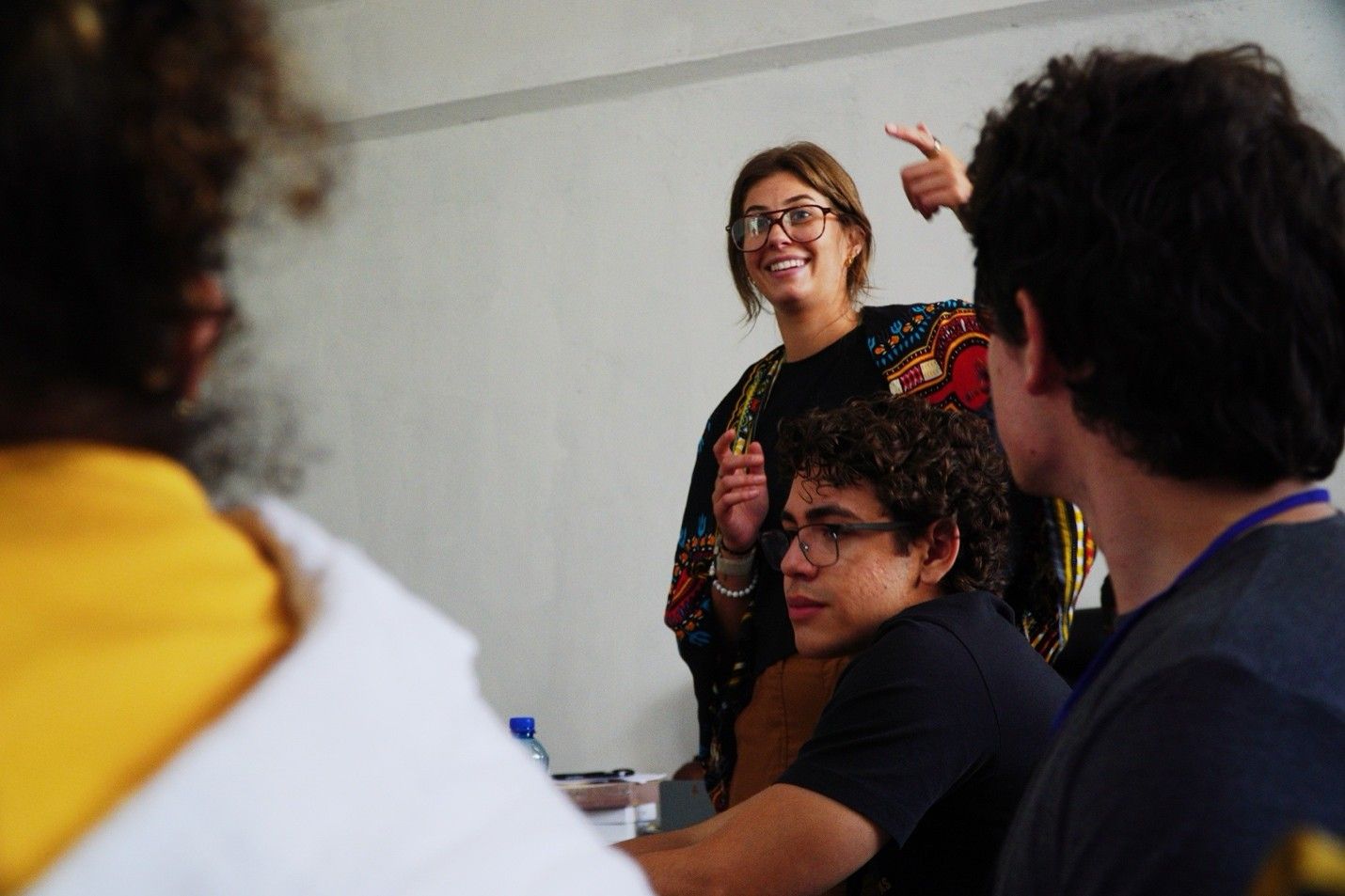
One of the most engaging activities involved teams working
together to construct tall freestanding structures using colorful plastic
straws and tape. At first glance, the challenge seemed simple. In reality, it
required patience, communication, trial and error, and a surprising amount of
teamwork.
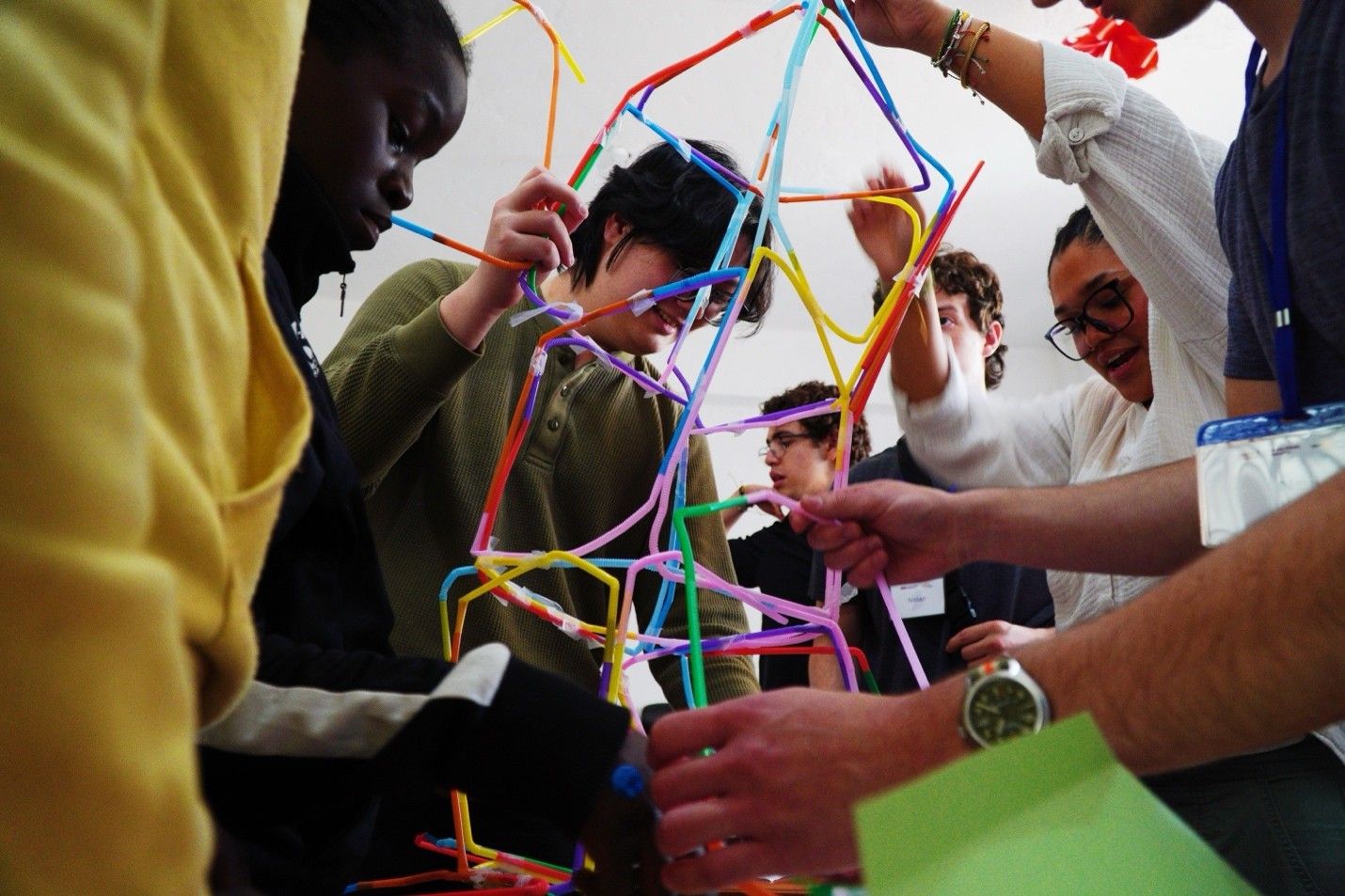
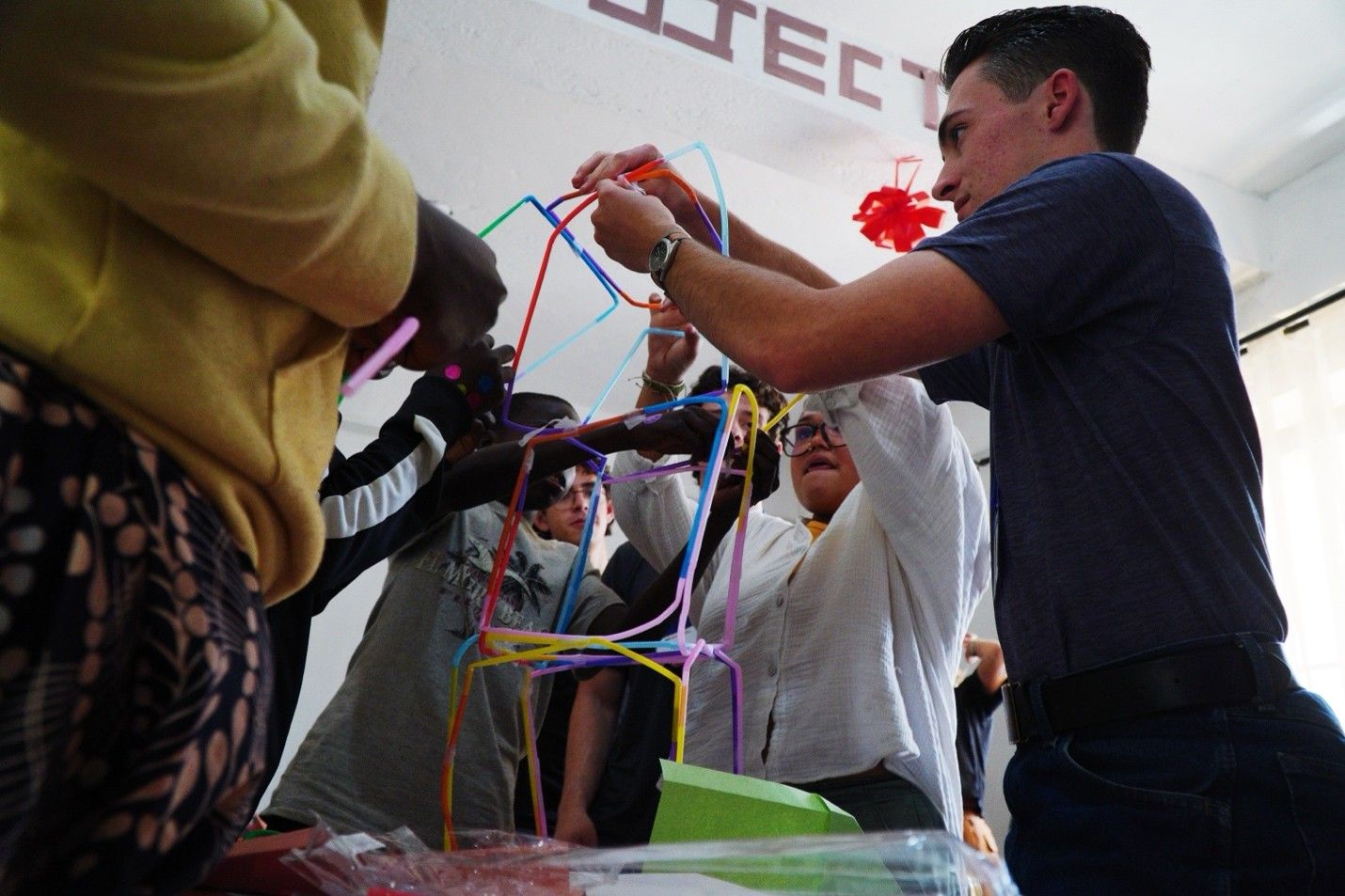
Students and children gathered closely around the
structures, balancing pieces carefully while encouraging one another through
every collapse and rebuild. The room quickly filled with excitement as groups
experimented with different designs and celebrated small victories together.
What stood out most was how naturally barriers disappeared.
Language differences became secondary to gestures, smiles,
and collaboration. A student holding part of a structure steady while a child
adjusted another piece said more than a long conversation ever could. The
activities created an environment where everyone participated equally learning from one another in real time.
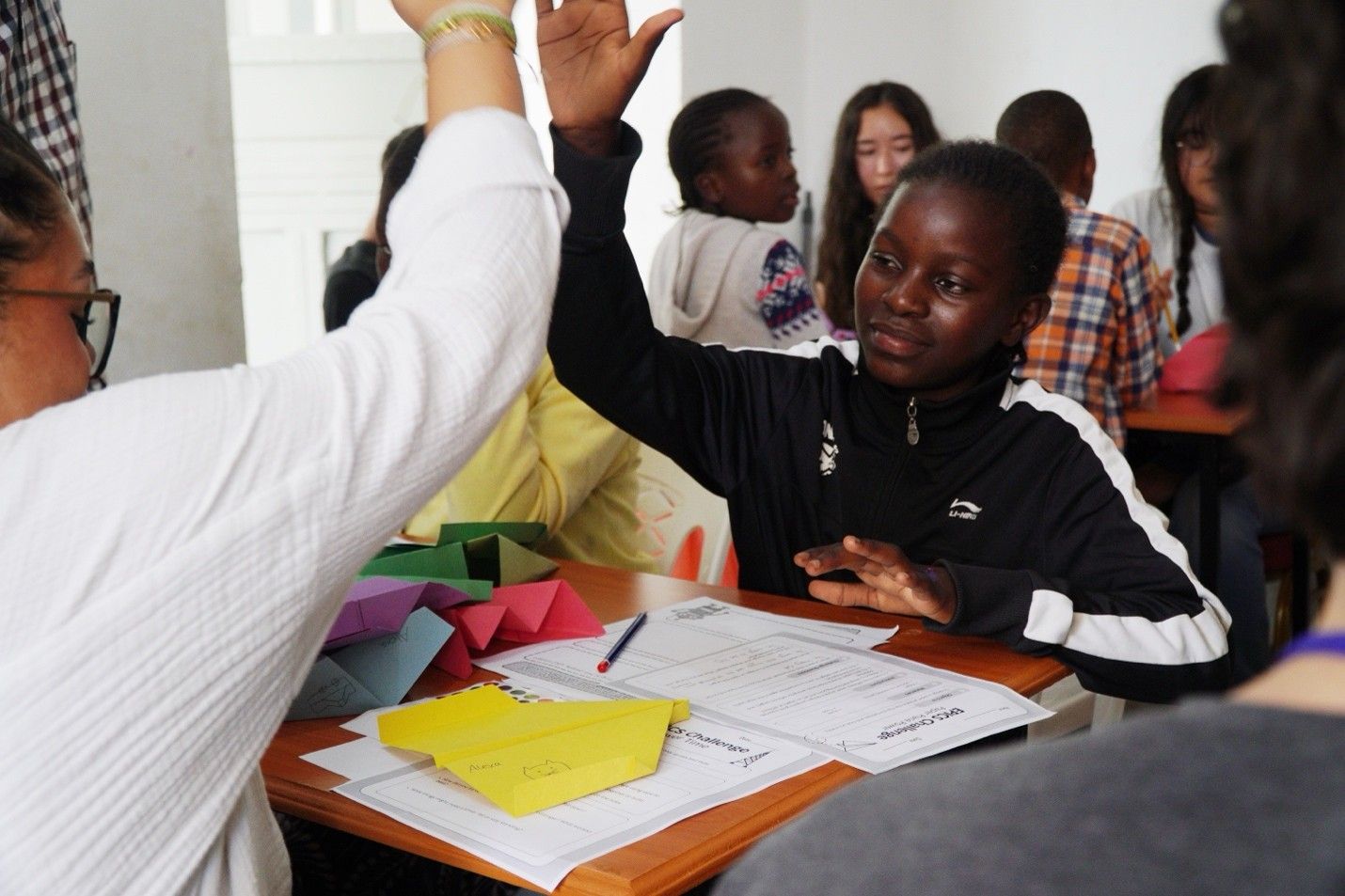
Another highlight of the day was the paper airplane
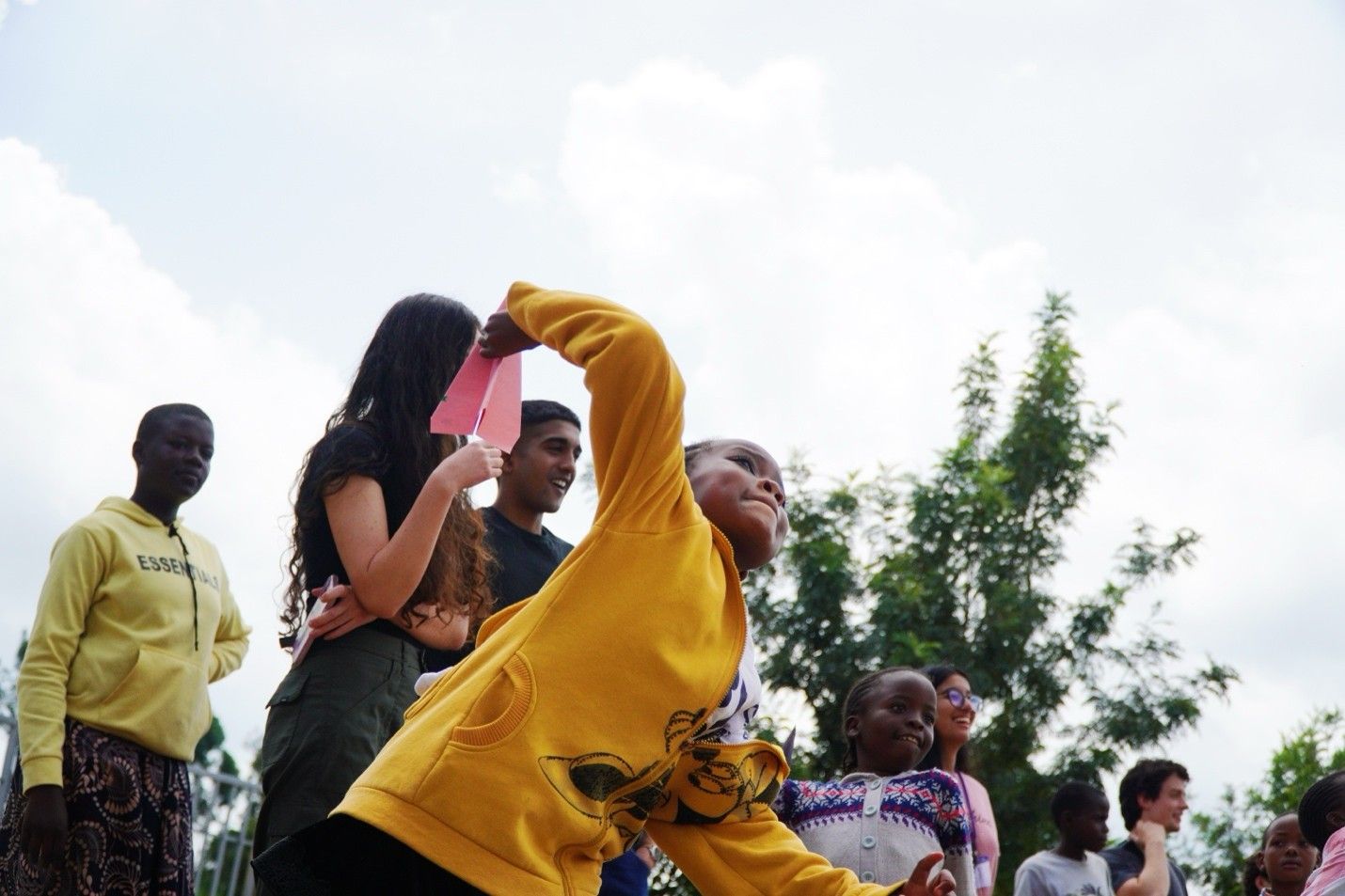
activity held outdoors. Children and ASU students folded colorful paper planes
together before testing them outside under the open sky. Soon, the field became
filled with running, cheering, competition, and laughter as airplanes soared or sometimes immediately crashed nose-first into the ground. Ironically, the
badly flying airplanes often created the loudest laughs.
These moments of play revealed something important about
the experience in Lumakanda: meaningful global engagement is not only about
service or technical solutions. It is also about relationship-building, mutual
curiosity, and creating spaces where people from different backgrounds can
simply enjoy being together.
For many ASU students, the experience offered a reminder
that learning abroad is not only academic. It is emotional, interpersonal, and
deeply reflective. Activities that may appear simple on paper often become
powerful opportunities for cultural exchange and human connection.
Throughout the day, GEI helped coordinate the activities
alongside local partners and facilitators, ensuring that the sessions flowed
smoothly while allowing room for spontaneity and interaction. Behind every
activity was careful logistical planning preparing materials, organizing
schedules, coordinating spaces, and adapting continuously to the energy of the
group.
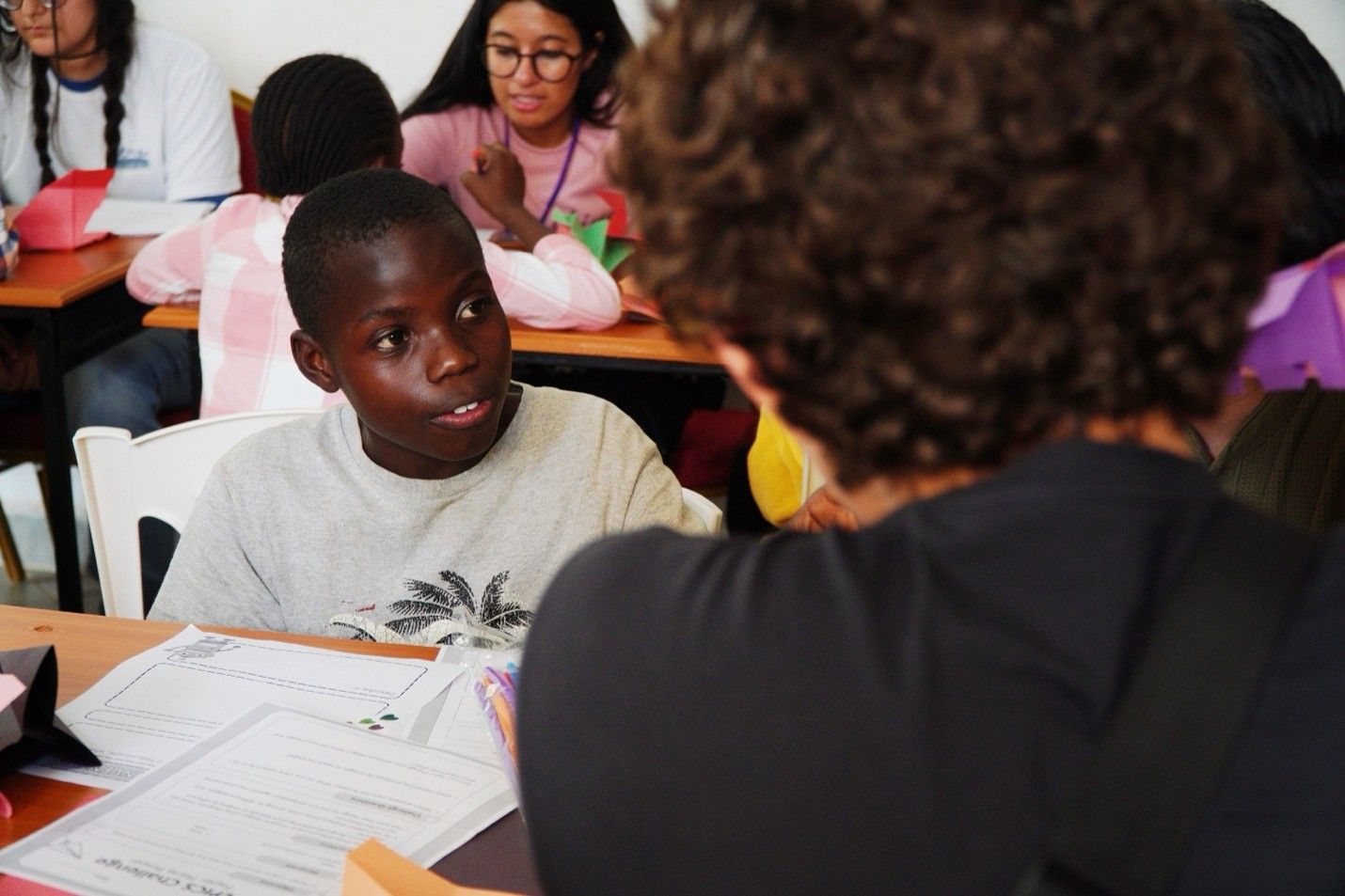
But once the activities began, the structure faded into the
background, and what remained were authentic interactions.
By the end of the session, classrooms that had initially
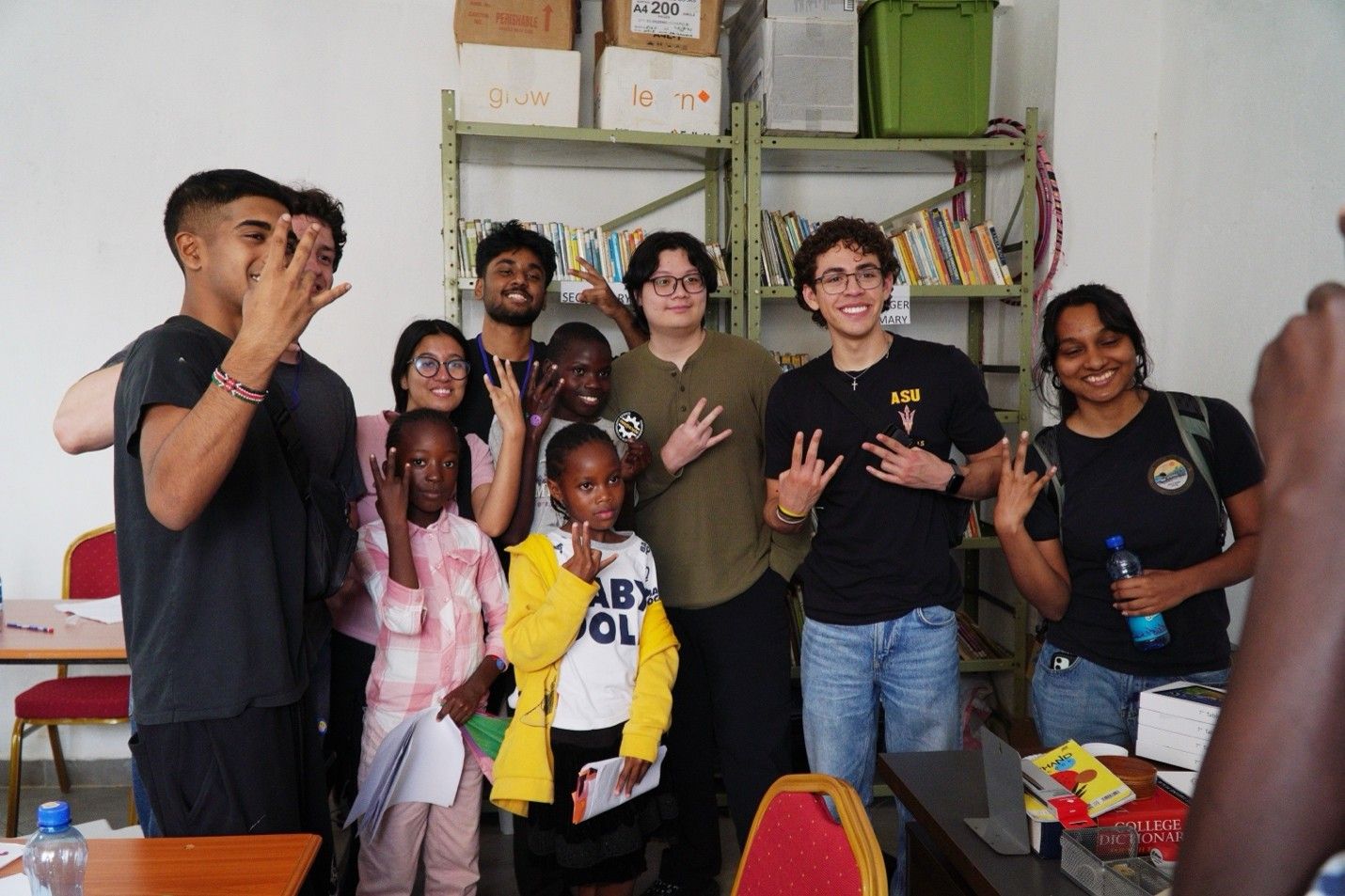
felt unfamiliar became spaces filled with comfort and laughter. Group photos,
high-fives, and conversations lingered long after the activities ended.
Looking back, Day 2 at the Jirani Project was not defined
by any single workshop or exercise. It was defined by moments small but meaningful where strangers became teammates, where creativity became a shared
language, and where learning happened naturally through connection.
And somewhere in Lumakanda, there are probably still a few paper airplanes stuck in trees as evidence of a very successful day.
About the author:
Dang H. Huynh is an experienced Program and Partnership Manager specializing in international education, cross-cultural engagement, and global learning initiatives. Over the past three years, Dang has played a key role in supporting and expanding the EPICS (Engineering Projects in Community Service) programs in the region.
Starting from Vietnam and more recently in Indonesia, he has helped facilitate partnerships between local universities, communities, and international institutions, enabling students to work on real-world, community-driven projects that create tangible social impact.
Dang H. Huynh is an experienced Program and Partnership Manager specializing in international education, cross-cultural engagement, and global learning initiatives. Over the past three years, Dang has played a key role in supporting and expanding the EPICS (Engineering Projects in Community Service) programs in the region.
Starting from Vietnam and more recently in Indonesia, he has helped facilitate partnerships between local universities, communities, and international institutions, enabling students to work on real-world, community-driven projects that create tangible social impact.
Author:
Dang Huynh , BA
Operations Manager, Southeast Asia
Dang Huynh , BA
Operations Manager, Southeast Asia
Recommended other articles
Explore our Engineering Programs
Solutions for universities
About Us
GEI empowers global change leaders through transformative, experiential programs in Africa and Southeast Asia. Since 2006, GEI has offered study abroad programs and career-aligned internships in six core destinations, and faculty-led programs across Africa and Southeast Asia.

COPYRIGHT © 2026 GLOBAL ENGAGEMENT INSTITUTE. ALL RIGHTS RESERVED.
Before you go...
Thank you!
Write your awesome label here.
Signed up yet?
Thank you!
Write your awesome label here.