
Beyond the First Bite: Food, Comfort, and Cultural Immersion in Ghana
Cultural immersion goes beyond visiting new places. It involves embracing unfamiliar experiences, building connections, and understanding local traditions. Drawing from a study abroad program manager’s perspective, this blog explores how Ghanaian cuisine and shared meals offer meaningful opportunities for cultural learning. It also highlights the challenges students may face when trying unfamiliar foods and how thoughtful program support can encourage curiosity, confidence, and deeper cultural engagement.
- Food is a gateway to cultural understanding: Exploring Ghanaian cuisine offers students opportunities to learn about local traditions, history, social values, and everyday life beyond the classroom.
- Cultural adjustment requires patience and understanding: Unfamiliar food textures, dietary needs, health concerns, and homesickness can influence students’ willingness to try new meals. Recognizing these challenges helps create a more supportive learning environment.
- Meaningful immersion begins with curiosity, not pressure: Through cooking experiences, shared meals, and cultural interactions, students can gradually build confidence, engage with local communities, and appreciate Ghanaian food traditions at their own pace.
What does it really
mean to immerse yourself in another culture?
Cultural immersion is
often described as engaging deeply with a community different from your own by
participating in its everyday routines, customs, language, social values, and
traditions. But from my experience supporting study abroad programs in Ghana,
immersion is rarely a single activity. It is a gradual process of observing,
participating, asking questions, feeling uncertain at times, and becoming
increasingly comfortable with experiences that initially feel unfamiliar.
For students arriving
in Ghana, this can begin with Akwaaba, the welcome that introduces
visitors to Ghanaian hospitality. From there, cultural learning can unfold
through everyday language and social interactions, music and movement, art,
historical memory and heritage, and, perhaps most immediately, food.
Of all these
experiences, culinary exploration and shared meals offer an interesting
window into how cultural immersion actually happens.
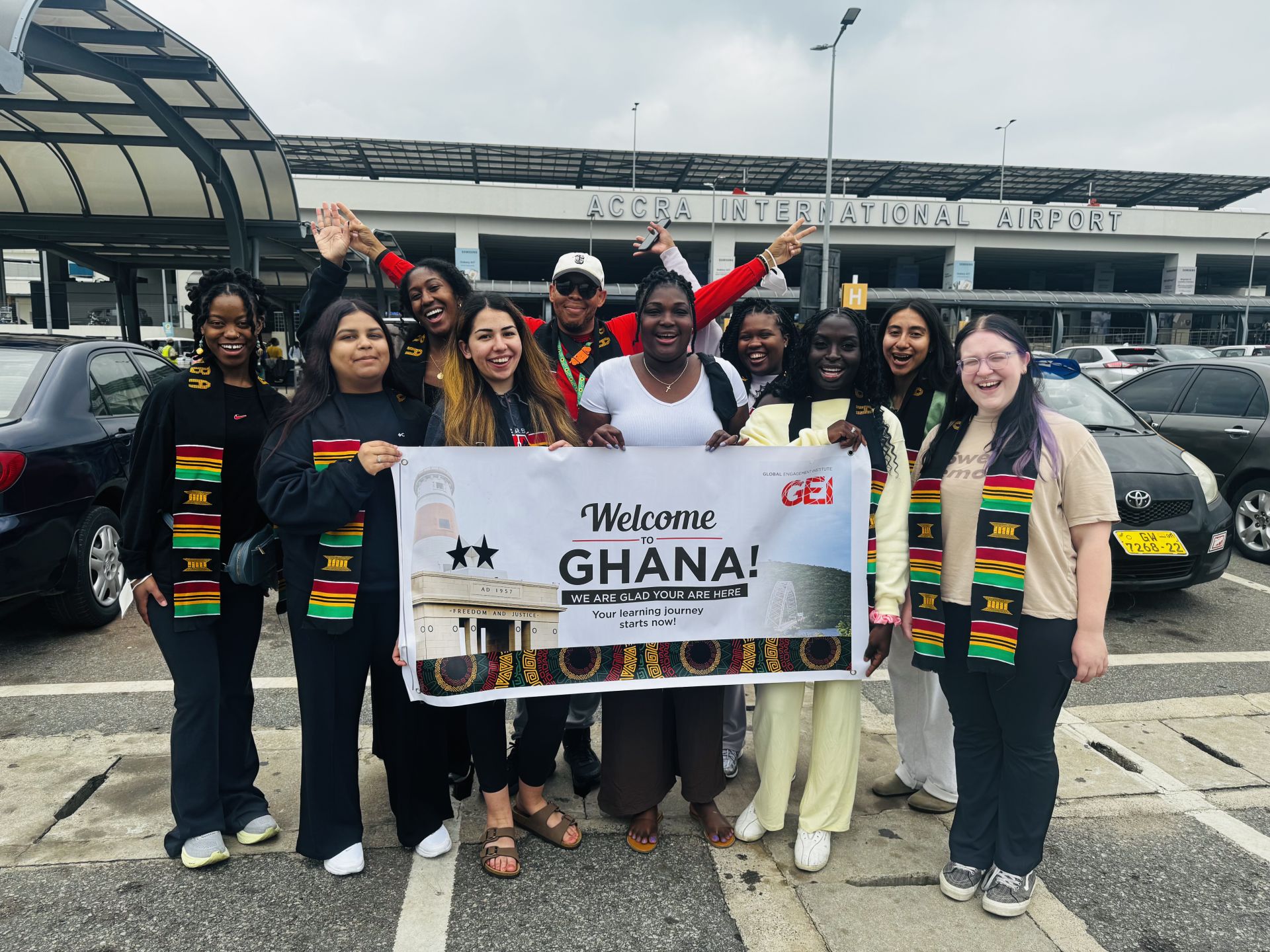
Over the years, I have noticed that some students enthusiastically explore Ghanaian cuisine from the beginning, while others remain close to foods they already know. That hesitation is understandable.
Studying abroad asks students to process new surroundings, routines, relationships, languages, expectations, and experiences simultaneously. Food can become one of the few familiar things available when almost everything else feels new.
But food is also an important part of understanding a place. A shared meal can introduce students to history, agriculture, family traditions, social relationships, and everyday life in ways that a classroom discussion cannot always replicate.
So what can make that exploration difficult?
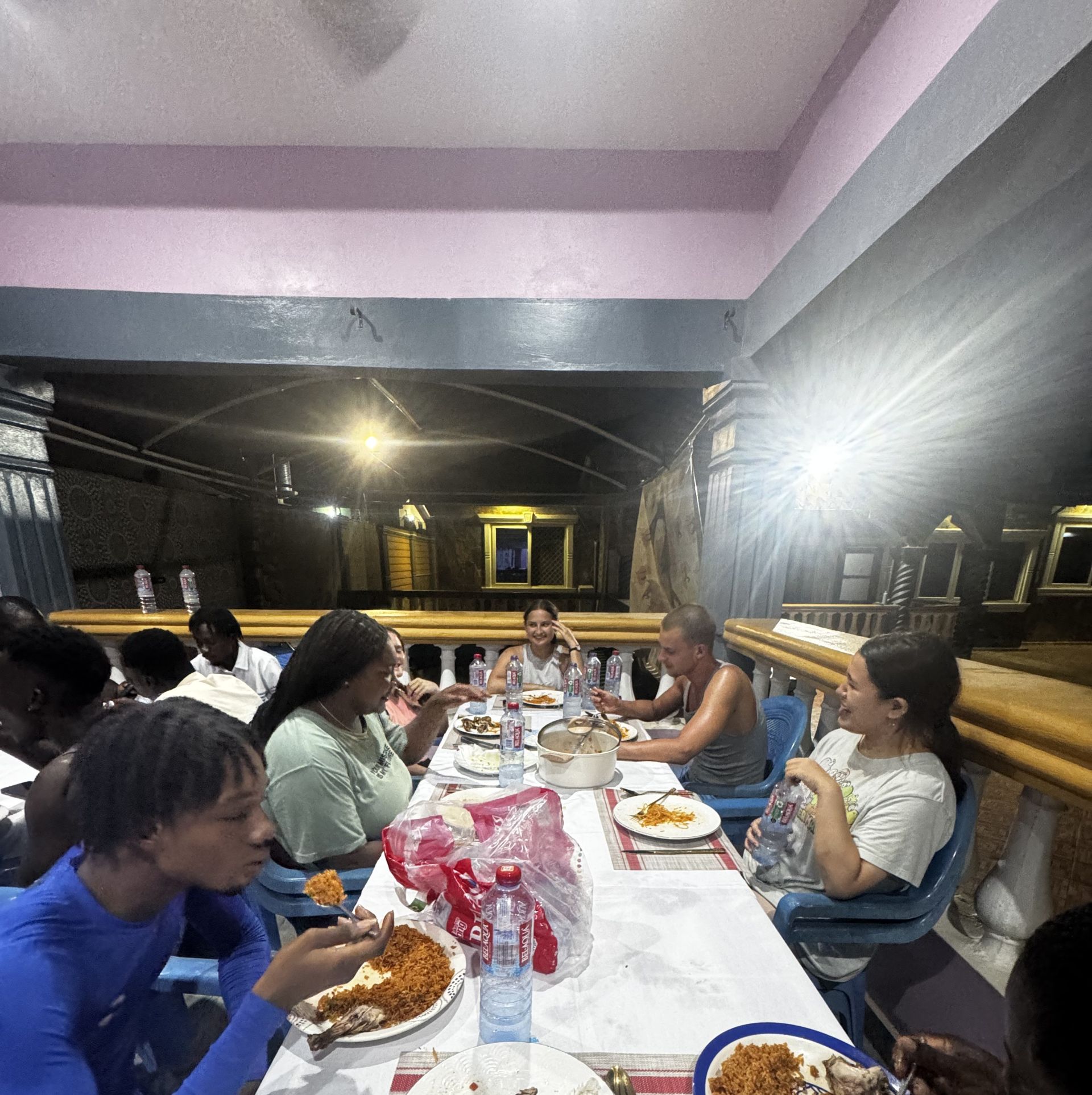
1. Texture, Technique, and Table Etiquette.
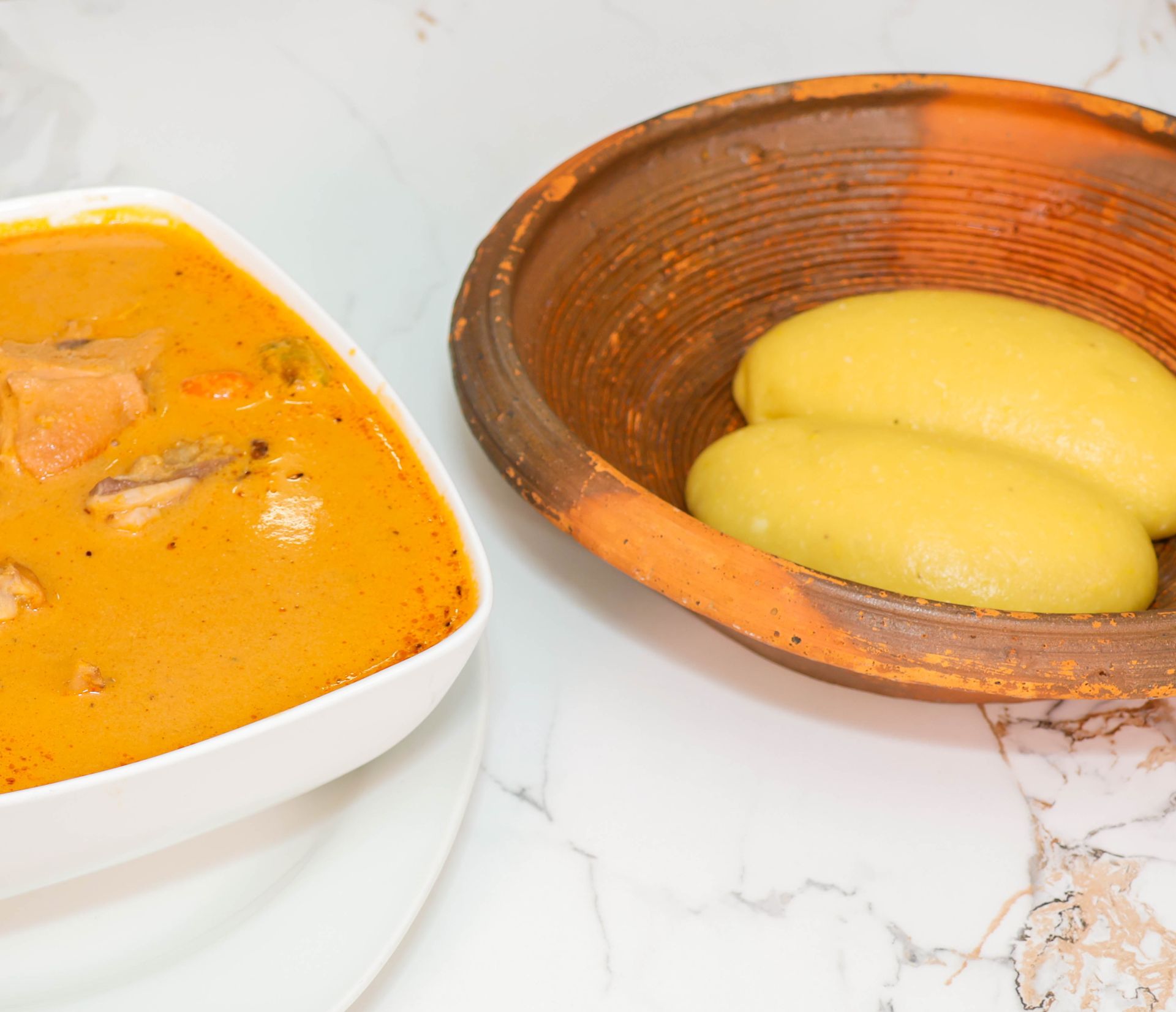
Trying an unfamiliar dish involves more than taste. Ghanaian foods such as fufu, kenkey, banku, akple, and kokonte can introduce students to textures and methods of eating that may be very different from what they know. Fufu, for example, is traditionally enjoyed with soup and is commonly eaten by hand. For someone doing this for the first time, the experience can feel surprisingly complicated. How much do you take? How do you hold it? What is the appropriate technique? Students can become self-conscious when everyone around them seems to know instinctively what to do. This is where cultural immersion becomes especially valuable. Instead of simply placing an unfamiliar meal in front of students, there is an opportunity to explain what they are eating, demonstrate how it is traditionally enjoyed, and create an environment where trying something new feels like learning rather than performing.
2. Dietary Needs and Unfamiliar Ingredients
Curiosity about food must also be balanced with legitimate dietary needs.
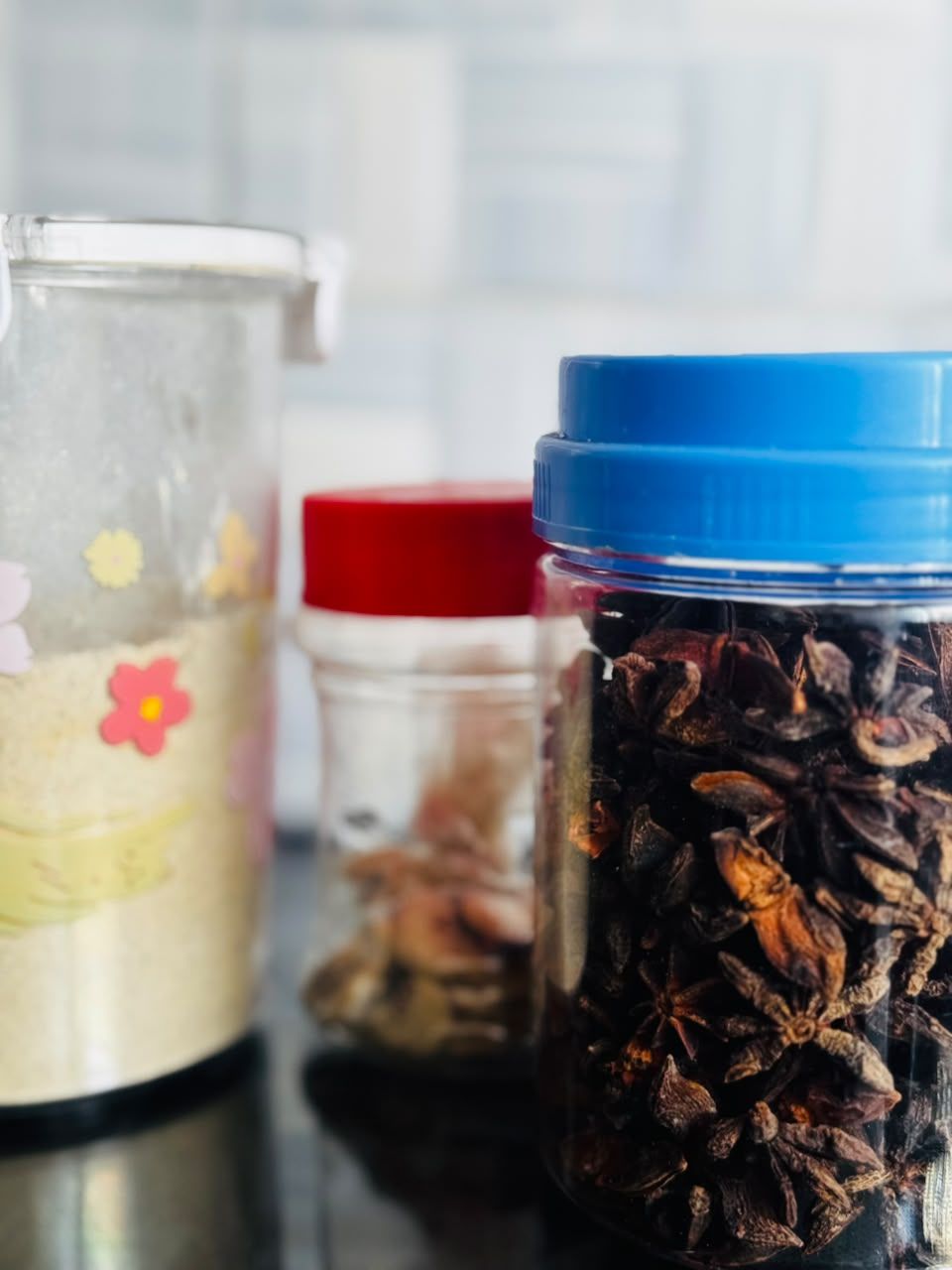
Students may need to know whether a meal contains particular spices, proteins, allergens, gluten, or other ingredients. Those following vegan, vegetarian, halal, kosher, or medically necessary diets may understandably hesitate when ingredients or preparation methods are unclear.
Supporting culinary exploration therefore requires good communication. Students should have enough information to make informed choices about what they eat while still having opportunities to learn about local cuisine.
Cultural immersion should invite participation, not pressure it.
3. Health Concerns
Health can also
influence how adventurous students feel about food.
Before arriving in
Ghana, students may have encountered assumptions or concerns about food safety
and healthcare that shape their willingness to try unfamiliar dishes. Once
abroad, even the possibility of becoming ill can make familiar food seem like
the safer option.
Program preparation
matters here. Clear guidance around food, water, health resources, and what
students can expect in-country can reduce uncertainty and allow them to
approach new experiences with greater confidence.

4. Food as Emotional
Comfort
There is another
dimension that is easy to overlook: food can feel like home.
Living and learning in
a different cultural environment requires significant mental and emotional
adjustment. After a full day of unfamiliar sights, conversations, activities,
and expectations, students may simply want something recognizable.
Choosing a familiar
meal does not necessarily mean a student is uninterested in Ghanaian culture.
Sometimes it means they need a moment of comfort before engaging again.
For faculty and program teams, recognizing this
can help us approach cultural immersion with patience rather than treating
participation as a test of how “adventurous” a student is.

The goal of cultural immersion should not be to force students to abandon what is familiar. Instead, good program design can create supported opportunities to become curious about what is unfamiliar. Within GEI programs, carefully selected cultural activities can introduce students to Ghanaian food in context. Cooking experiences, market visits, conversations around ingredients, and shared meals can turn food from something students simply consume into something they explore.
Students can ask questions. They can learn how dishes are prepared. They can understand where ingredients come from and why particular foods matter within different communities. And, importantly, they can decide what they are comfortable trying. Over time, something that seemed unfamiliar on the first day may become one of the experiences they remember most clearly.
Cultural immersion does not happen simply because someone travels abroad. It develops through curiosity, participation, reflection, and relationships. For students, this means being willing to encounter unfamiliar experiences while also recognizing their own boundaries. For faculty and program teams, it means creating environments where students have the context and support needed to engage thoughtfully. And sometimes, that learning begins with something as ordinary as sitting around a table together. A student may arrive wondering what exactly is in the bowl in front of them. Then come the questions, explanations, tentative first taste, laughter about an unsuccessful attempt to eat with one hand, and another try.
That is part of cultural immersion too.
About the author:
Henry Nyanyui A.T.K. Azanu, BA
Operations Manager, Ghana
Henry is the Operations Manager for Ghana at the Global Engagement Institute, with over a decade of experience in operations, communications, and experiential program support. He brings a background in public relations and journalism, supporting ethically grounded global learning through strong local partnerships and program coordination.
Henry Nyanyui A.T.K. Azanu, BA
Operations Manager, Ghana
Recommended other articles
Solutions for universities

COPYRIGHT © 2026 GLOBAL ENGAGEMENT INSTITUTE. ALL RIGHTS RESERVED.